
Edenfield CE Primary School Early Years Curriculum
The Early Years Foundation Stage (EYFS) sets the standards that all early years providers must meet to ensure that children learn and develop well and are kept healthy and safe. It gives children the broad range of knowledge and skills that provide the right foundation for good future progress through school and life.
The EYFS seeks to provide:
The EYFS specifies requirements for learning and development and for safeguarding children and promoting their welfare. The learning and development requirements cover:
Overarching principles
Four guiding principles shape our practice in the early years setting. These are:
There are seven areas of learning and development that must shape educational programmes in early years settings. Three areas are particularly important for building a foundation for igniting children’s curiosity and enthusiasm for learning, forming relationships and thriving. These are the prime areas:
In line with the statutory framework, the school also supports children in four specific areas, through which the three prime areas are strengthened and applied. The specific areas are:
For each area of learning, an educational programme is delivered and states the activities and experiences the children will access throughout the EYFS.
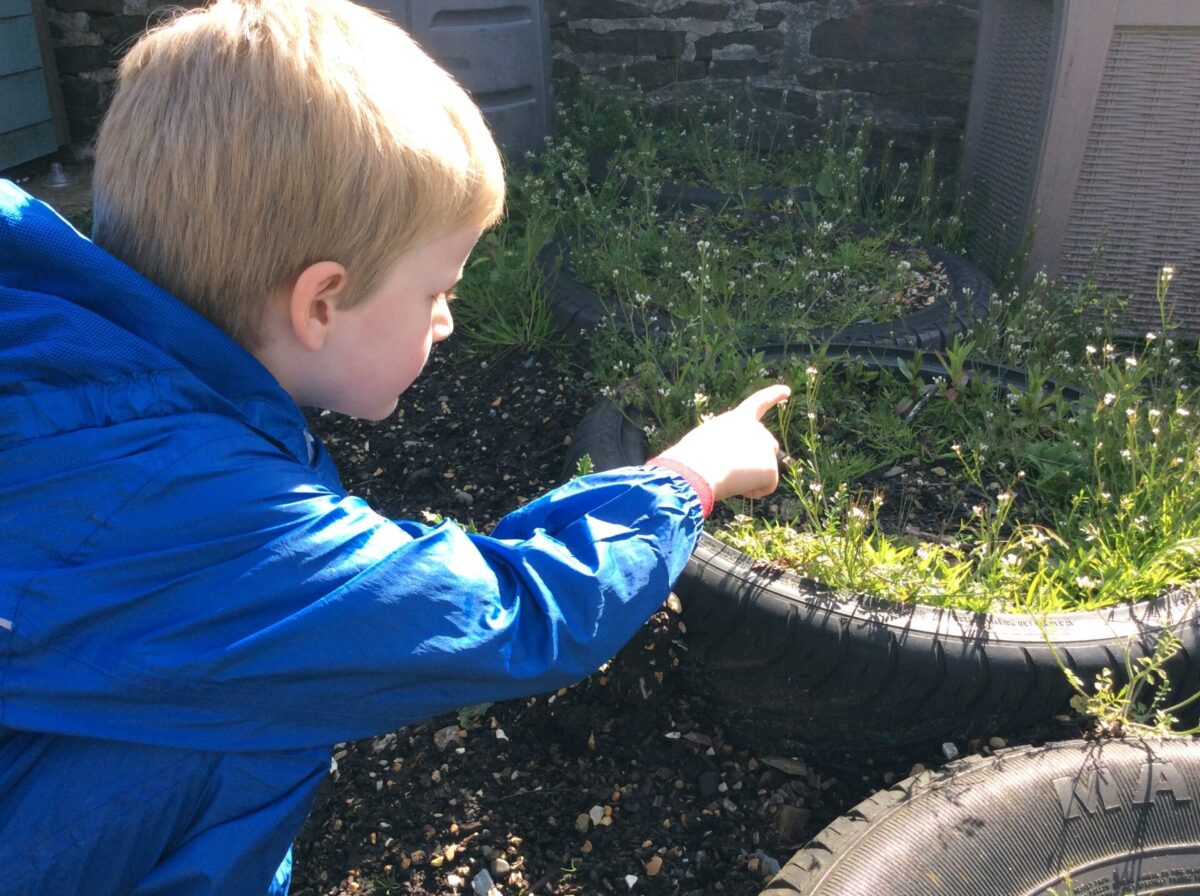
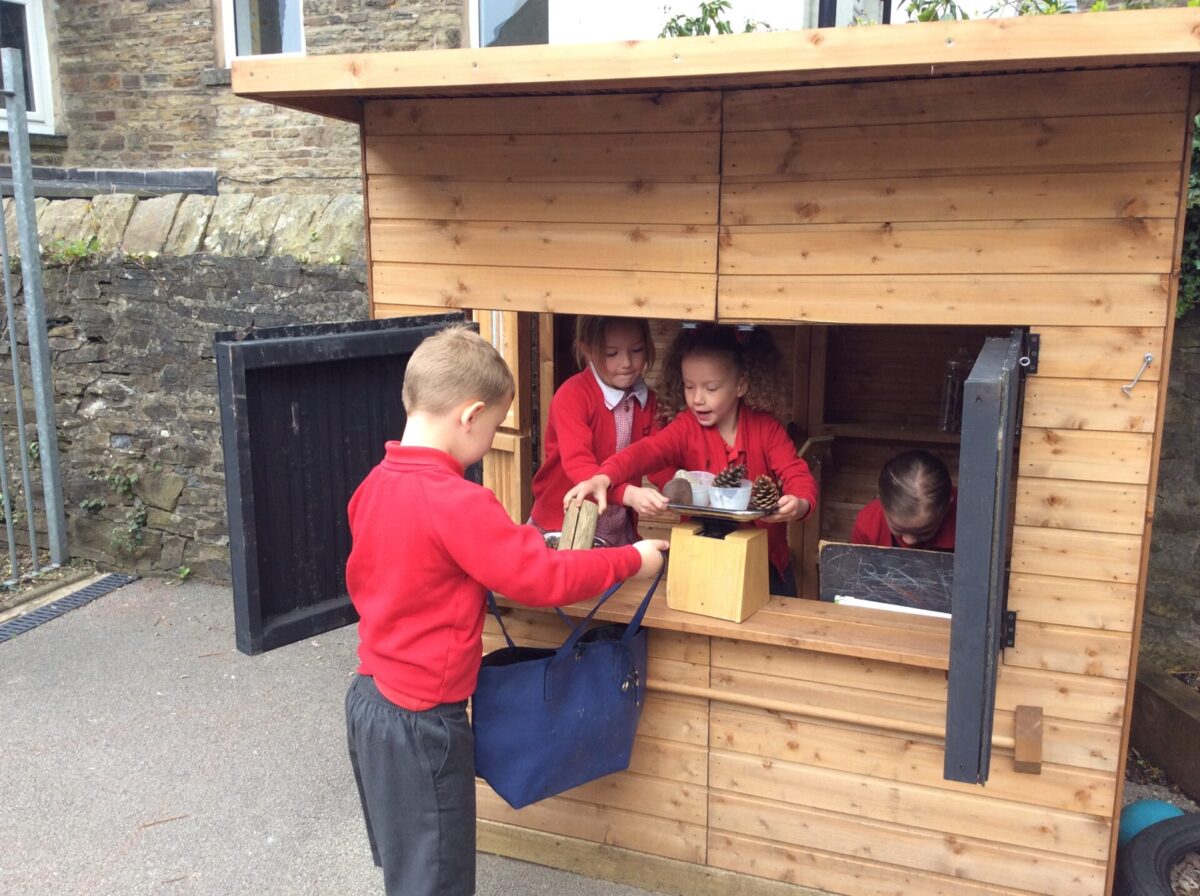
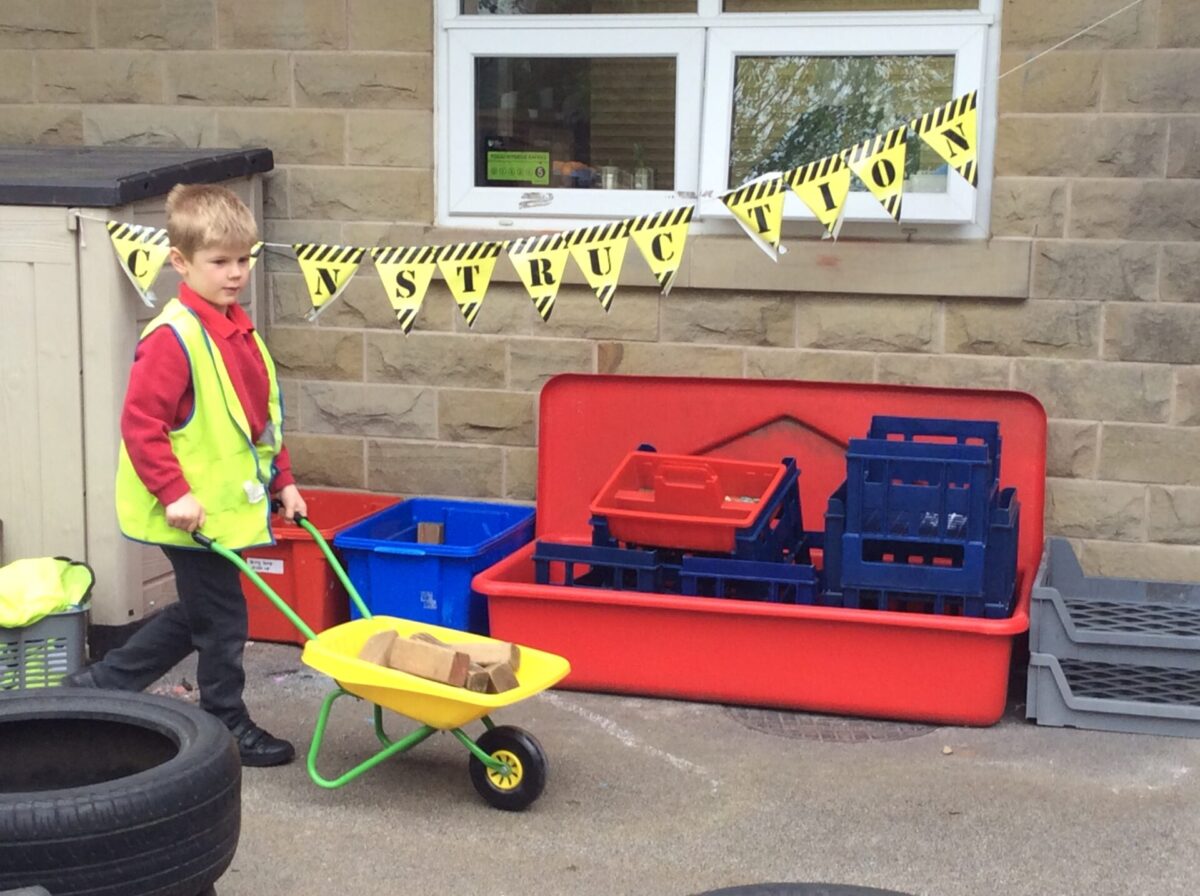
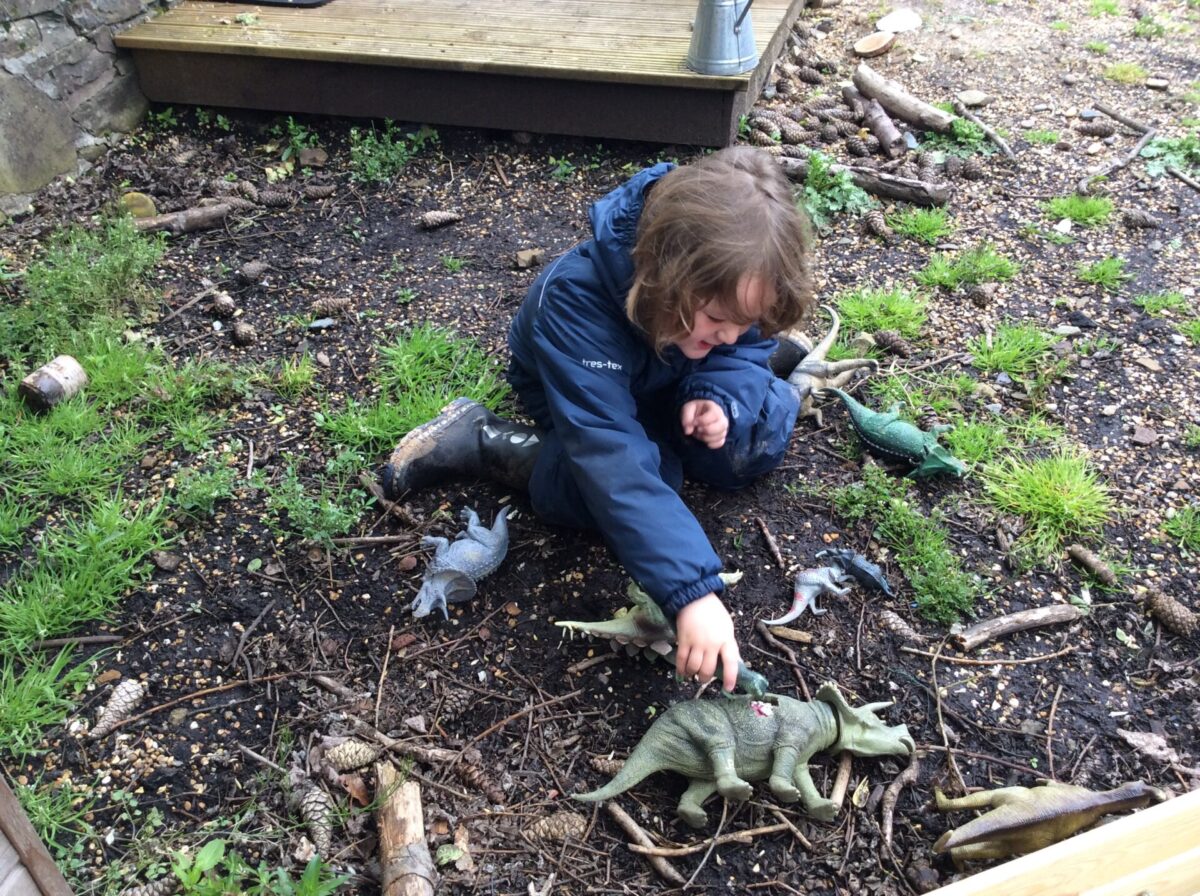
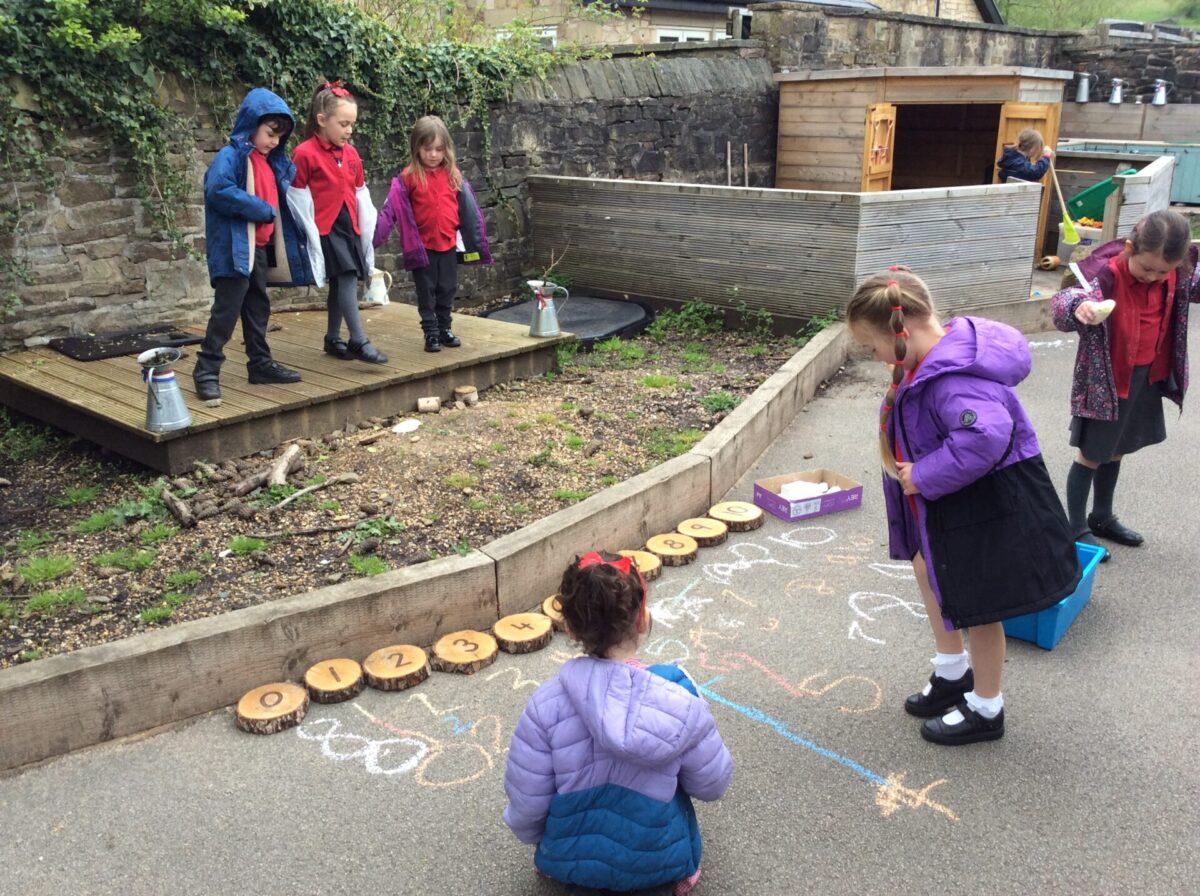
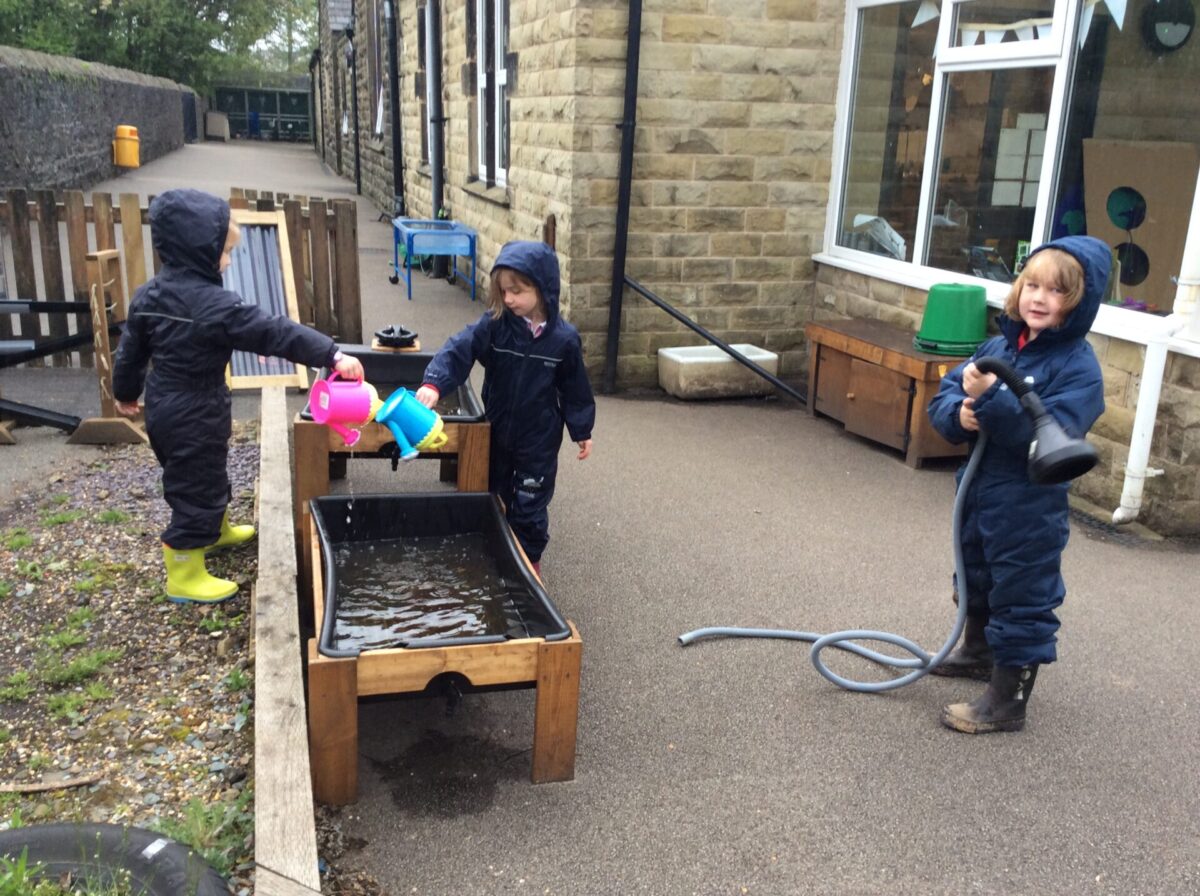
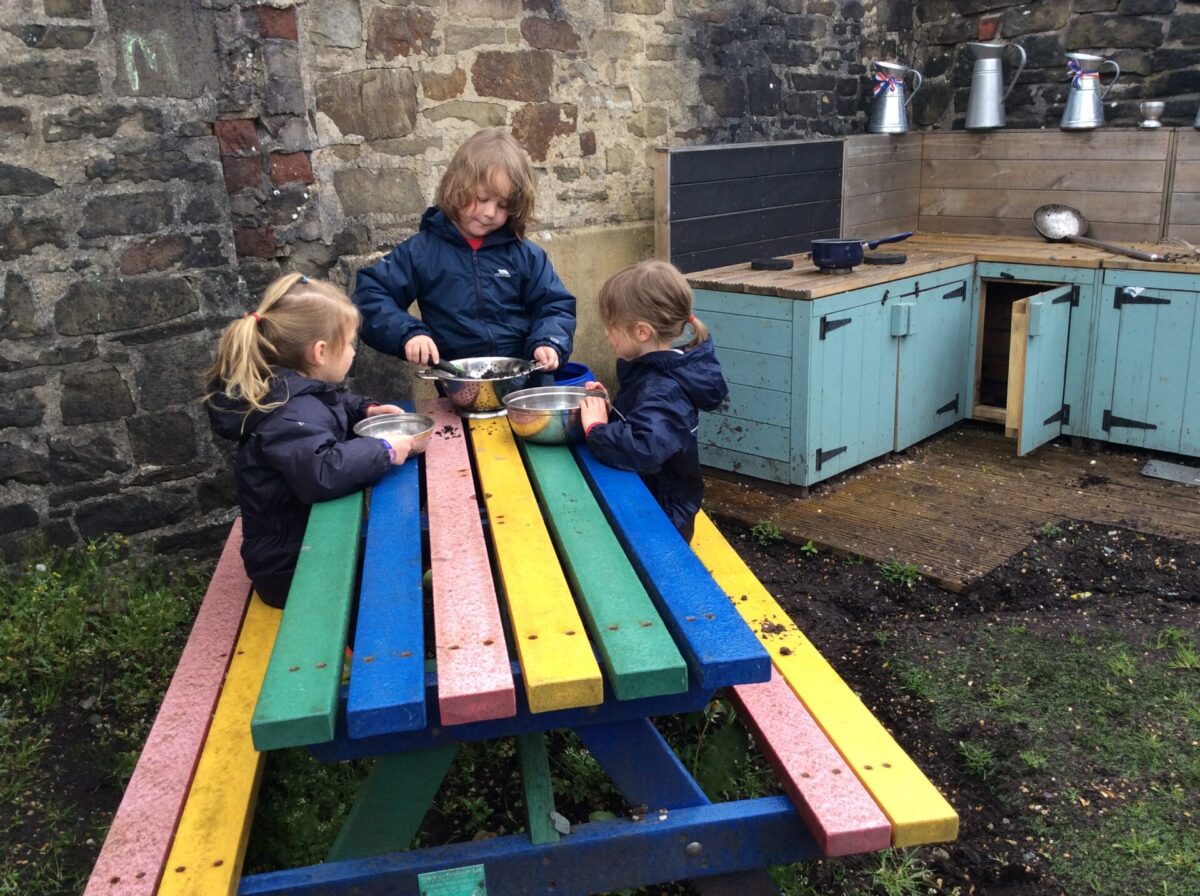
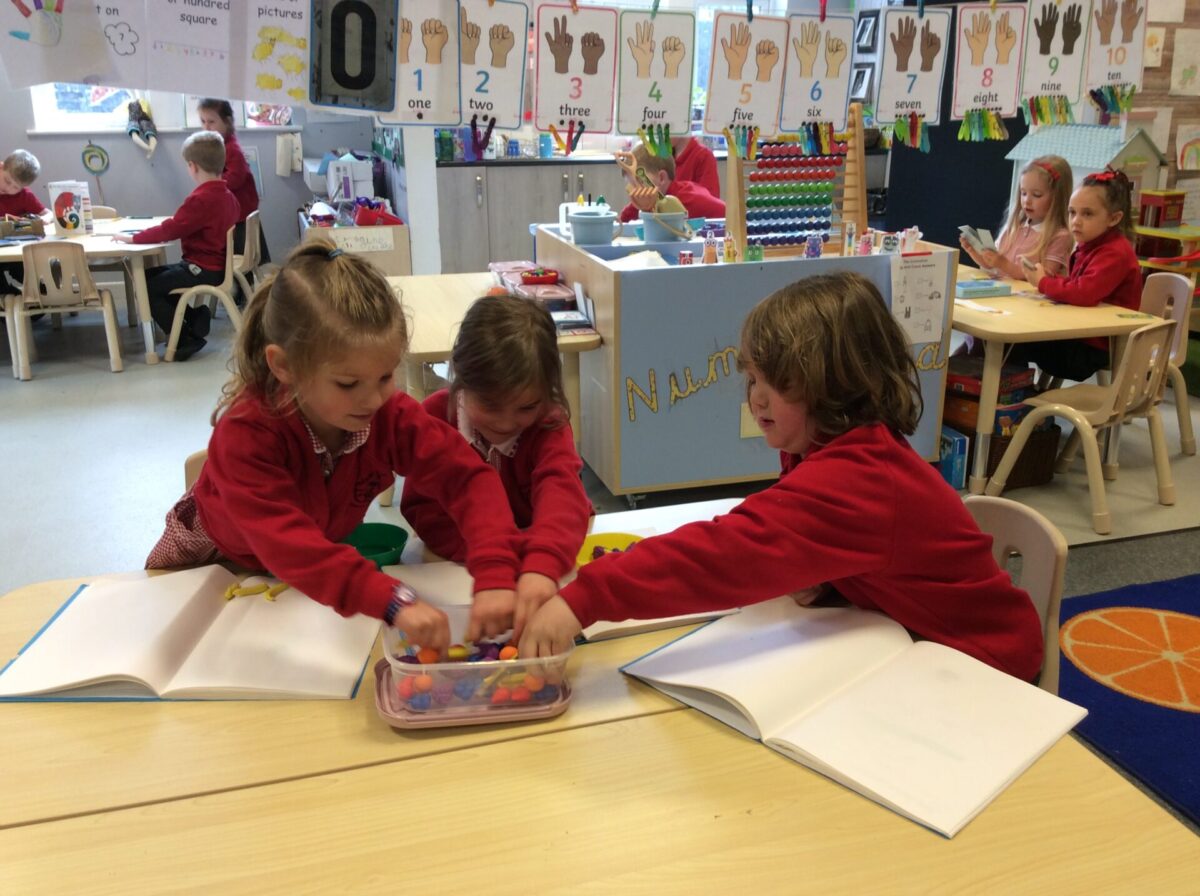
The Early Years Framework does not prescribe a particular teaching approach. Play is essential for children’s development, building their confidence as they learn to explore, relate to others, set their own goals and solve problems. Children learn by leading their own play, and by taking part in play which is guided by adults. The EYFS teaching team at Edenfield will decide what they want children to learn, and the most effective ways to teach it. As such they aim to stimulate children’s interests, respond to each child’s emerging needs and guide their development through warm, positive interactions coupled with secure routines for play and learning. As children grow older and move through the reception year, there is a greater focus on teaching the essential skills and knowledge in the specific areas of learning. This will help children to prepare for year 1.
In planning and guiding what children learn, practitioners must reflect on the different rates at which children are developing and adjust their practice appropriately. Three characteristics of effective teaching and learning are:
Click here for our bespoke EYFS curriculum
Click here for our EYFS intent
Click here for the seven features of effective practice
Click here for the Early learning Goals



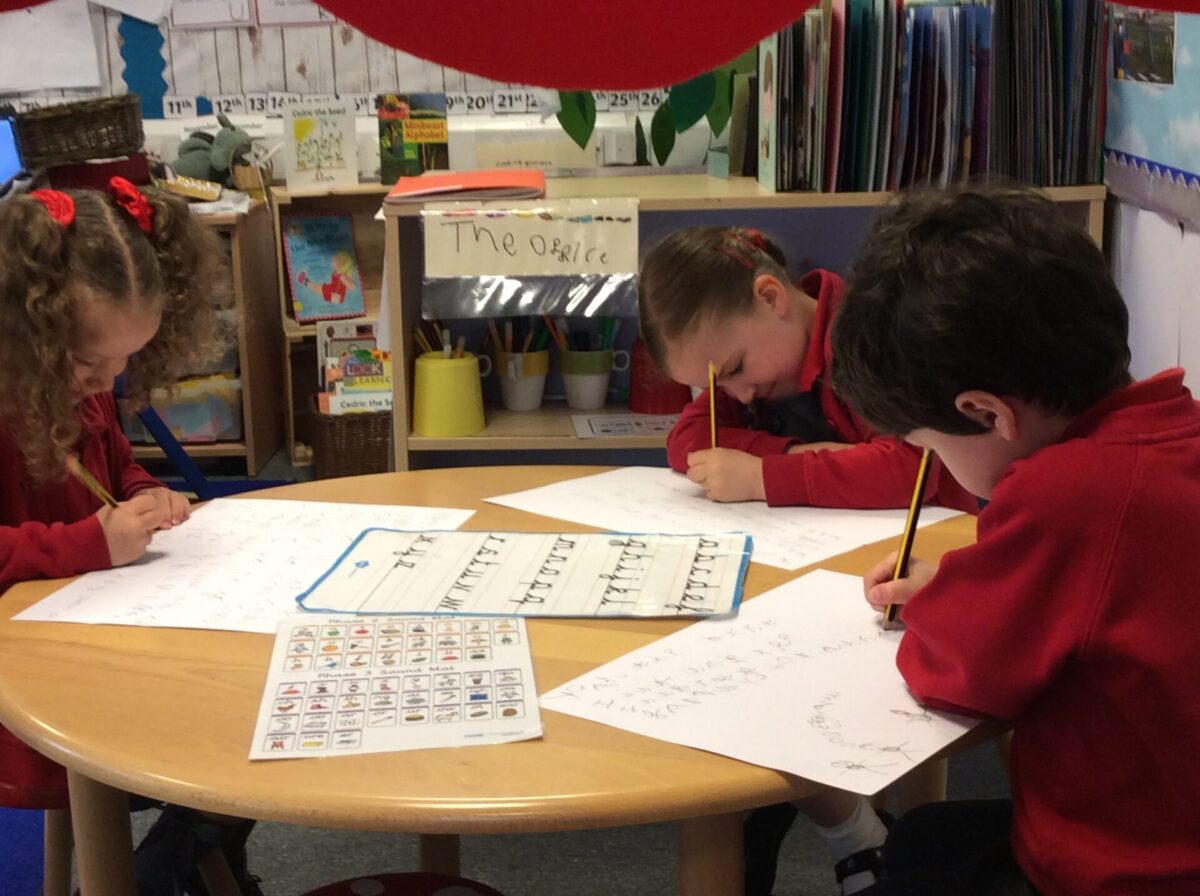
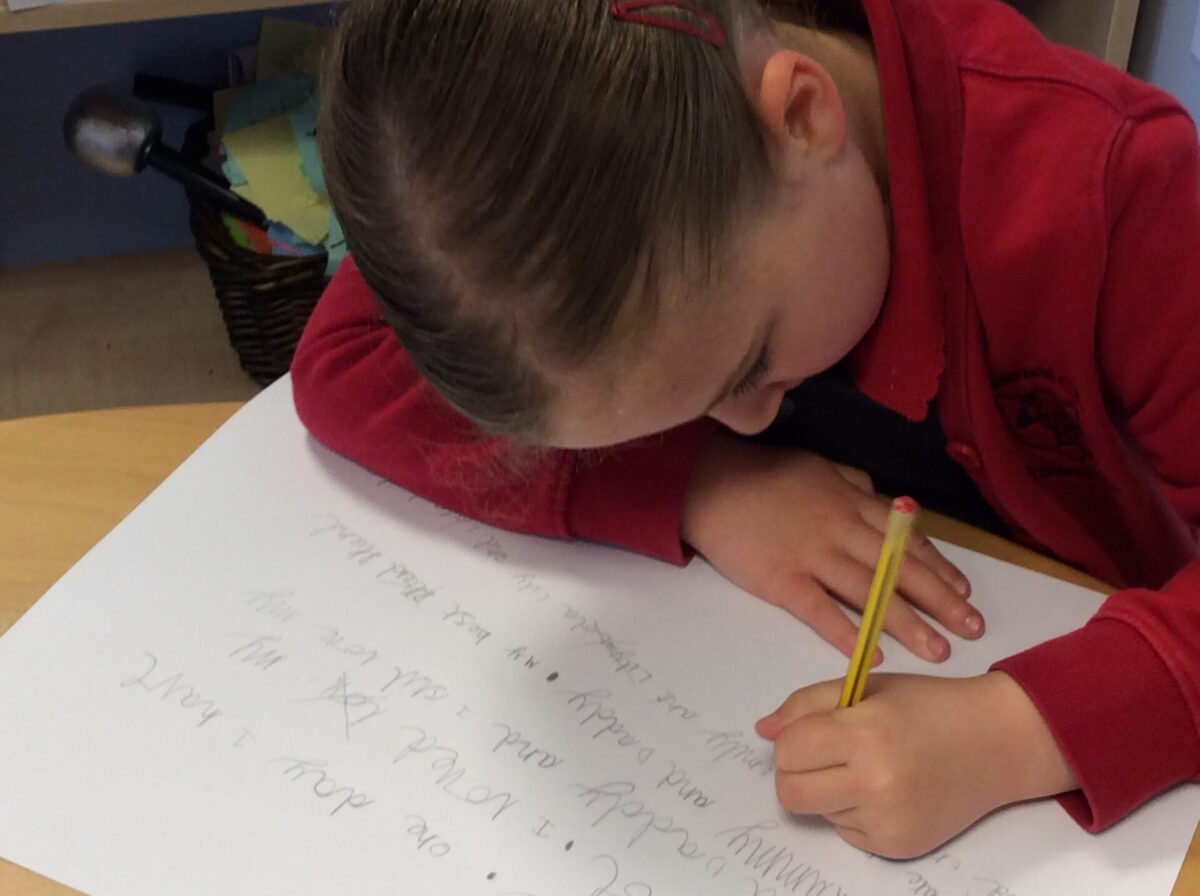
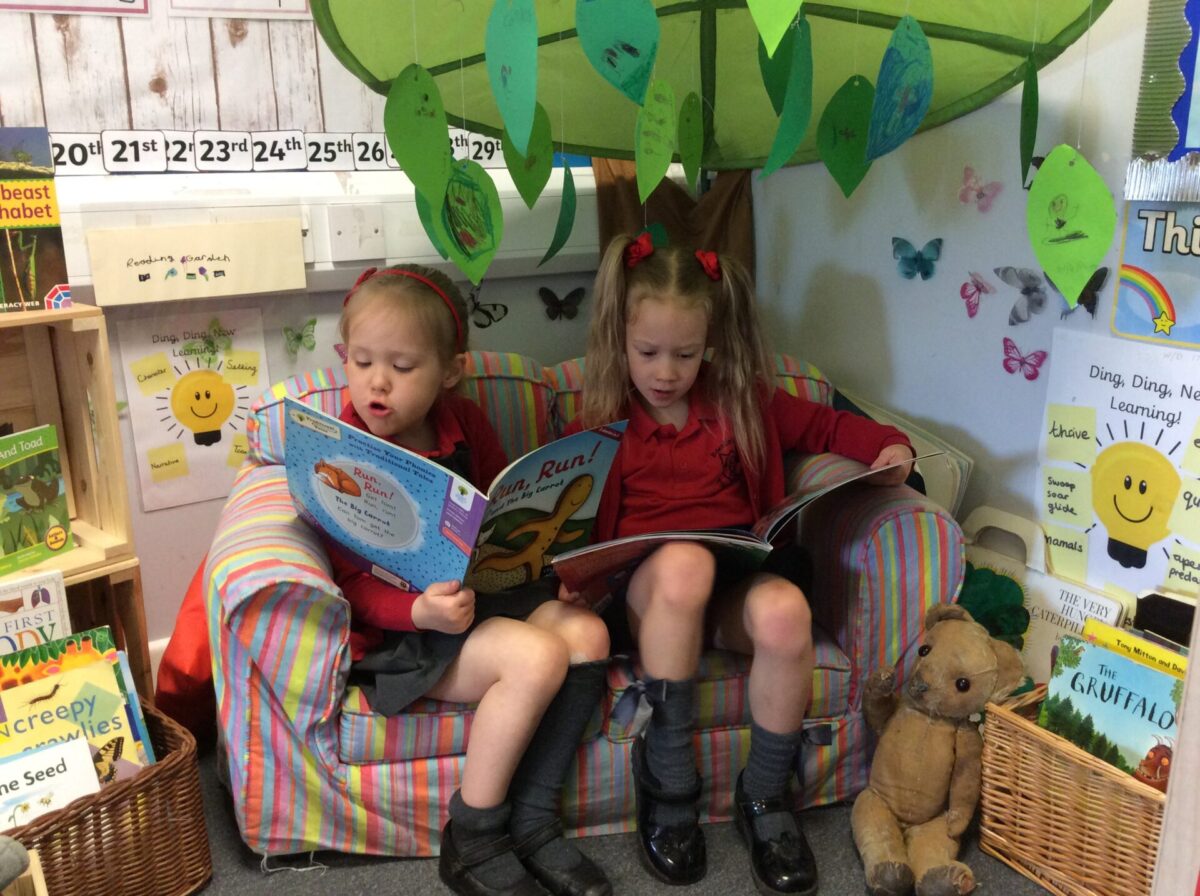
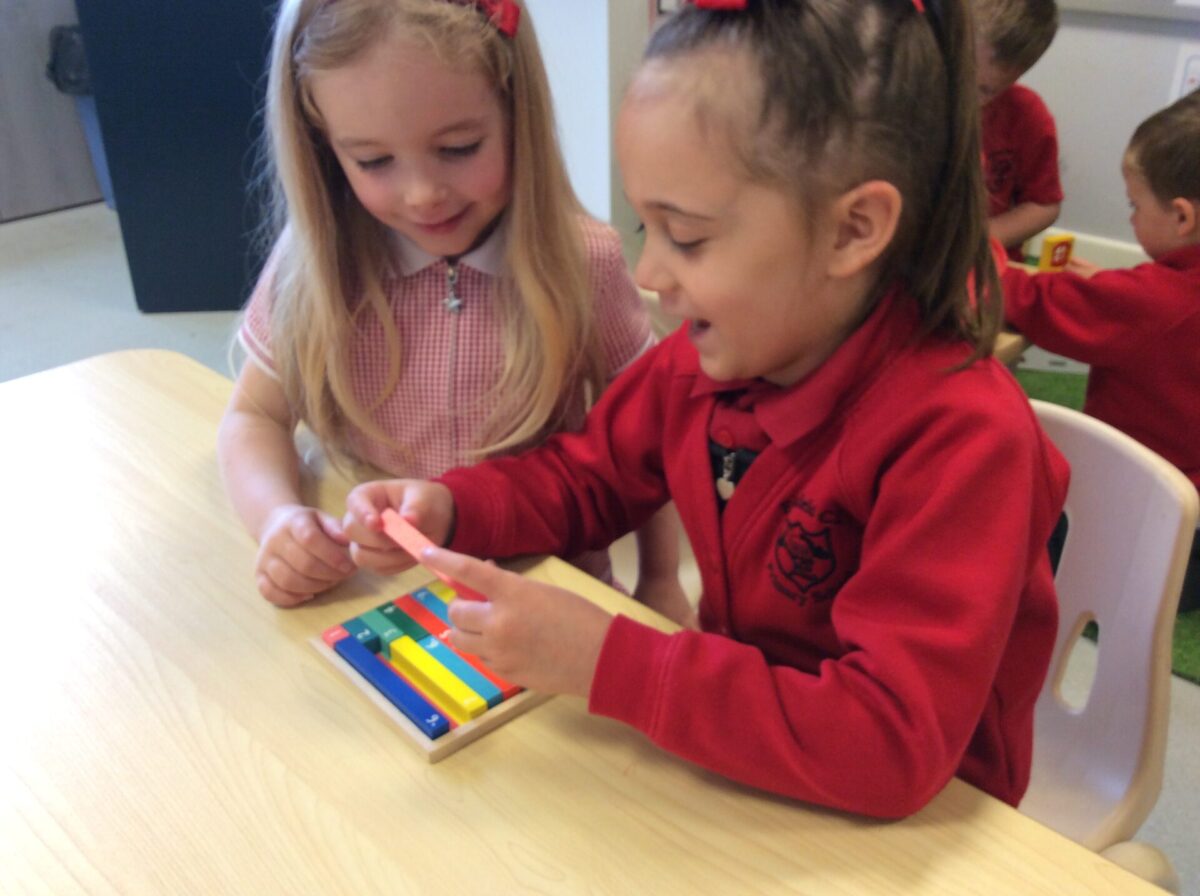

Please click the links below to read our EYFS weekly bulletins for parents.
EYFS Weekly Letter for Parents Friday 30th June
EYFS Weekly Letter for Parents Friday 16th June
EYFS Weekly Letter for Parents Friday 9th June
EYFS Weekly Letter for Parents Friday 12th May
EYFS Weekly Letter for Parents 5th May
EYFS Weekly Letter for Parents 21st April
EYFS Weekly Letter for Parents 17th March
EYFS Weekly Letter for Parents 3rd March
EYFS Weekly Letter for Parents 4th Feb
EYFS Weekly Letter for Parents 10th February
EYFS Weekly Letter for Parents 3rd February
EYFS Weekly Letter for Parents Friday 27th January
EYFS Weekly Letter for Parents 20th January
EYFS Weekly Letter for Parents 11th December
EYFS Weekly Letter for Parents 2nd December
EYFS Weekly Letter for Parents 25th November
EYFS Weekly Letter for Parents 18th November
EYFS Weekly Letter for Parents 11th November
EYFS Weekly Letter for Parents 4th November
EYFS Weekly Letter for Parents 21st October
EYFS Weekly Letter for Parents 14th October
EYFS Weekly Letter for Parents 7th October
We will be hosting an Open Day on Tuesday 3rd November. Sessions will run at
This year, our Harvest Festival will take place on Friday 2nd October at 9:15am at
The school is delighted to share its most recent Ofsted Report which judges the school
